Living culture refers to the active, evolving, and everyday practices of a community, rather than static, preserved traditions. It entails the dynamic interplay of traditions, values, beliefs, and behaviors that are continuously created, adapted, and experienced by people in the present day.
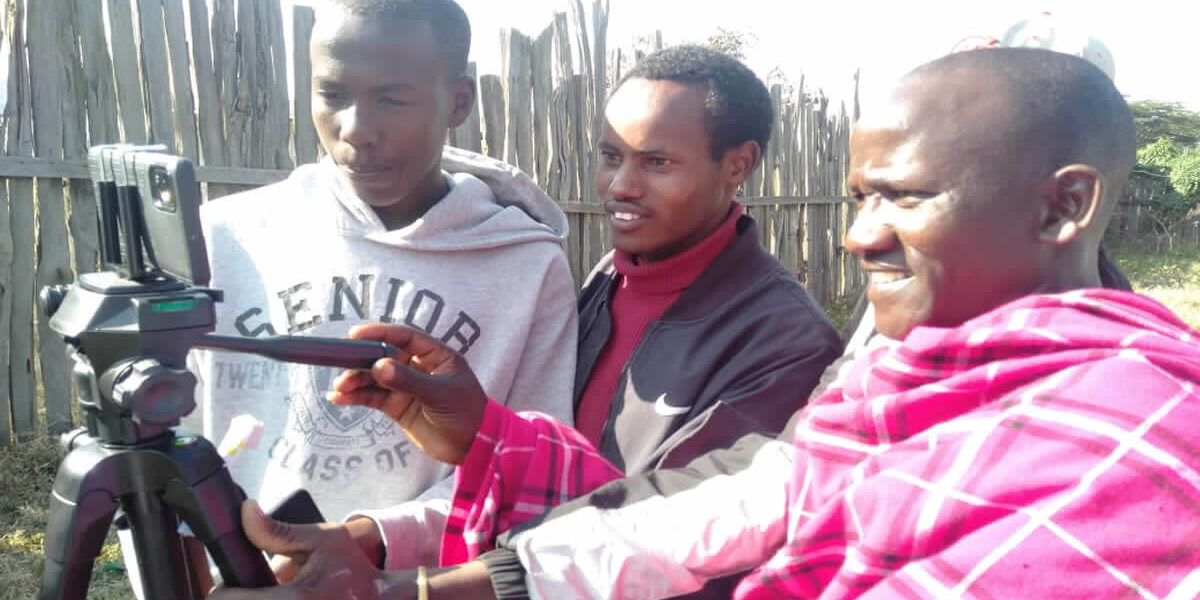
Oltoilo Le Maa is documenting the Living Culture of the Maasai community in Loita Narok Kenya and its environs to be passed down through participatory videos.
Key Aspects of Living Culture
- Dynamism and Evolution: It is not fixed in time but changes and adapts to new circumstances, technologies, and environmental conditions, as seen in the endurance of Maasai social structures despite modernization.
- Everyday Lived Experience: It encompasses everyday life—the food people eat, their language, daily routines, habits, and ways of interacting with their environment.
- Collective Identity and Transmission: Living culture is passed down through generations, often through imitation, communication, and storytelling, serving to build community and pass on values.
- Artistic and Creative Expression: It is demonstrated through active participation in art, music, song, myth, and ritual, which allow a community to express its ongoing story, as in the Maasai cultural life.
- Social Organization and Continuity: It includes the norms, values, and institutional practices (e.g., marriage, kinship systems) that maintain social order and ensure the continuity of that group.
- Community Development: In a local context, it relates to the grassroots activities and cultural proposals—festivals, workshops, local art—that foster local development, social bonds, and well-being.